
Hedgehogs
How to donate
Click below to donate to Animals' Voice and
help us open a wildlife rescue centre in the New Forest
Animals' Voice: Guide to Hedgehogs
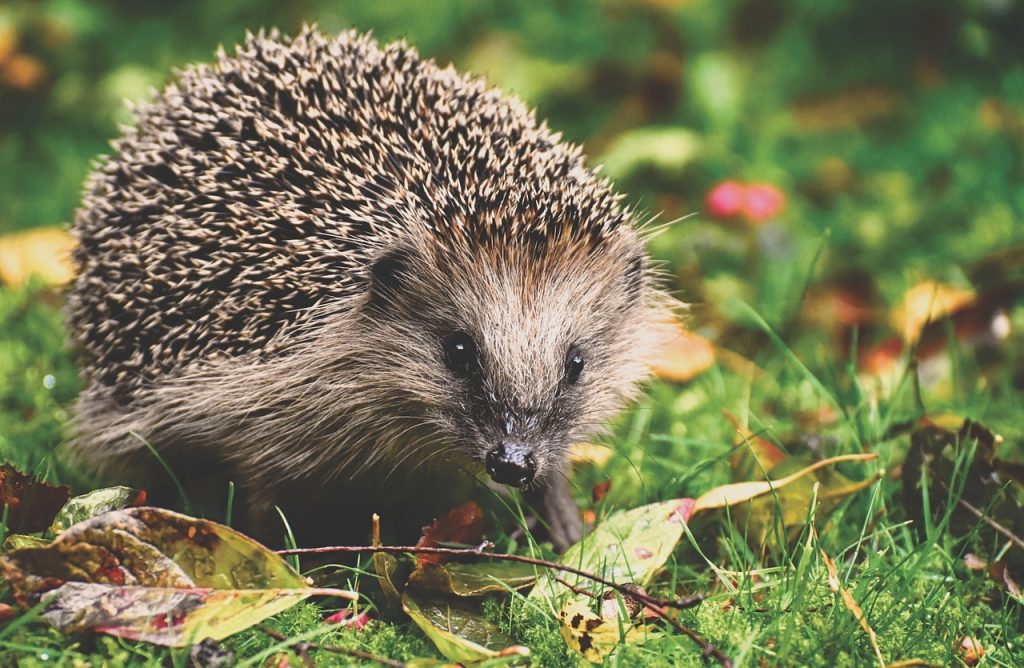
Although they are associated with the countryside, you usually see hedgehogs in urban areas.
This much-loved mammal’s numbers have declined in recent years for several reasons, including loss of habitats, widespread pesticide use and susceptibility to being killed by cars.
The hedgehog gets its name from the hedgerows it lives in and the loud snorting noises it makes when foraging for food. The males are called boars and the females sows, the same name given to pigs.
Weighing up to 1.2kg, their primary defence mechanism is the short brown spikes over their backs.
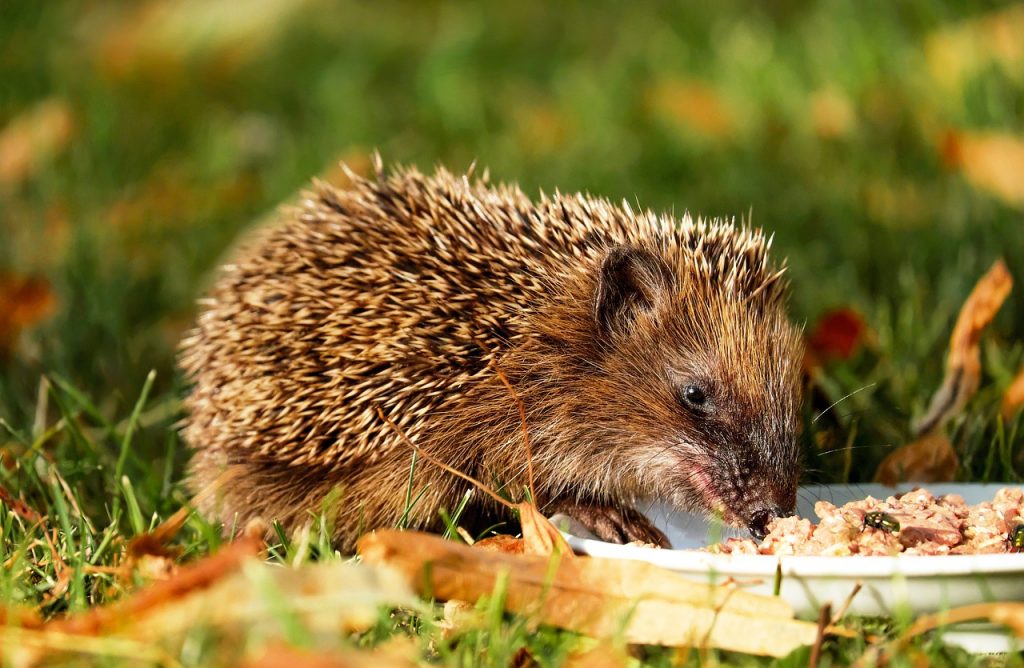
They typically eat a range of invertebrates, including beetles, earthworms and caterpillars. They also enjoy tinned cat and dog food (nothing containing fish), which can be helpful in the summer when food sources are scarce. They must weigh at least 600g to be strong enough to survive hibernation during the winter.
Hedgehogs are great sleepers, spending daylight hours tucked away in their nests and hibernating throughout winter.
Hibernation can occur from October to April, but if the winter is mild, you may still see them in December. Hedgehogs create nests of dried leaves and are vulnerable to making a home in the base of a bonfire as they get ready to hibernate. Please check all bonfires for hedgehogs before you light them.
Typically, they live for 2-3 years, and each hedgehog reaches maturity around one year old when they can reproduce. Each litter contains up to seven hoglets.
Surprisingly, they are excellent swimmers. They enjoy various habitats, including woodlands, gardens and parks.
Advice on injured hedgehogs
If you see a hedgehog during the day, unless they are nursing babies, pregnant or building nests, they probably need treatment. Contact a wildlife rescue near you to get advice.
There are also several other signs that the hedgehog may require first aid treatment;
- An apparent wound or evident injury.
- It may be trapped inside something, such as netting, drains, or ponds.
- Hoglets outside on their own without an adult hedgehog.
- A hedgehog that is lethargic and unsteady on its feet.
- A hedgehog that has lots of flies around it
If you come across any of the above signs, you could do the following:
- Line a plastic box or a high-sided cardboard box with newspaper.
- Place on a pair of thick gardening gloves before carefully placing the hedgehog in the box. They may try and use the newspaper to hide.
- Keep the box and the hedgehog in a quiet, dark place away from noise, children and pets.
- Fill a hot water bottle and wrap in a towel to keep the hedgehog warm. They are susceptible to hypothermia.
- Offer the hedgehog some meaty cat or dog tinned food (nothing with fish) and water, but don’t try and force feed it.
- Contact your local wildlife rescue centre.