Birds
How to donate
Click below to donate to Animals' Voice and
help us open a wildlife rescue centre in the New Forest
Animals' Voice: Guide on Birds
Birds come in many different shapes and sizes, and alongside hedgehogs they are the species that we treat most often. The UK has hundreds of species of birds; but for ease of reading we have separated our guide into the most common types of birds seen throughout the country.
Birds of Prey
Often seen flying, this group of birds can be tricky to identify as we are usually looking at the underwing as they soar above us.
Raptors are birds of prey that hunt other small birds, mammals, reptiles, insects, worms or eat carrion (dead animals and birds).
The UK has 15 birds of prey species, including owls, buzzards, red kite, sparrow hawk, kestrel, peregrine, hobby and merlin.
Owls are nocturnal and hunt for food at night, During the day, they remain hidden out of sight, roosting.
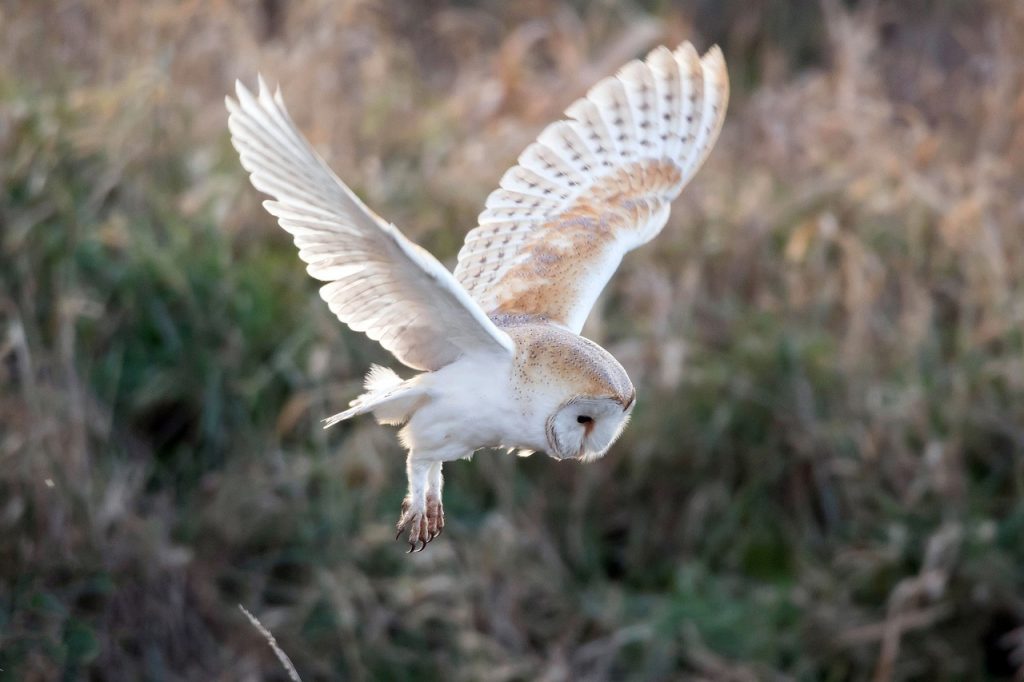
However you may occasionally see barn owls and little owls hunting during the day for small rodents, insects, and moths
They are seen throughout the UK and vary depending on their habitat.
Harsh and adverse weather conditions contribute towards birds of prey repeatedly targeting smaller birds in gardens, especially if they have chicks to feed.
All birds of prey are protected by the Wildlife and Countryside Act 1981. To intentionally kill or injure one is a criminal offence and could result in an unlimited fine or up to six months in jail depending on the jurisdiction.
Garden Birds
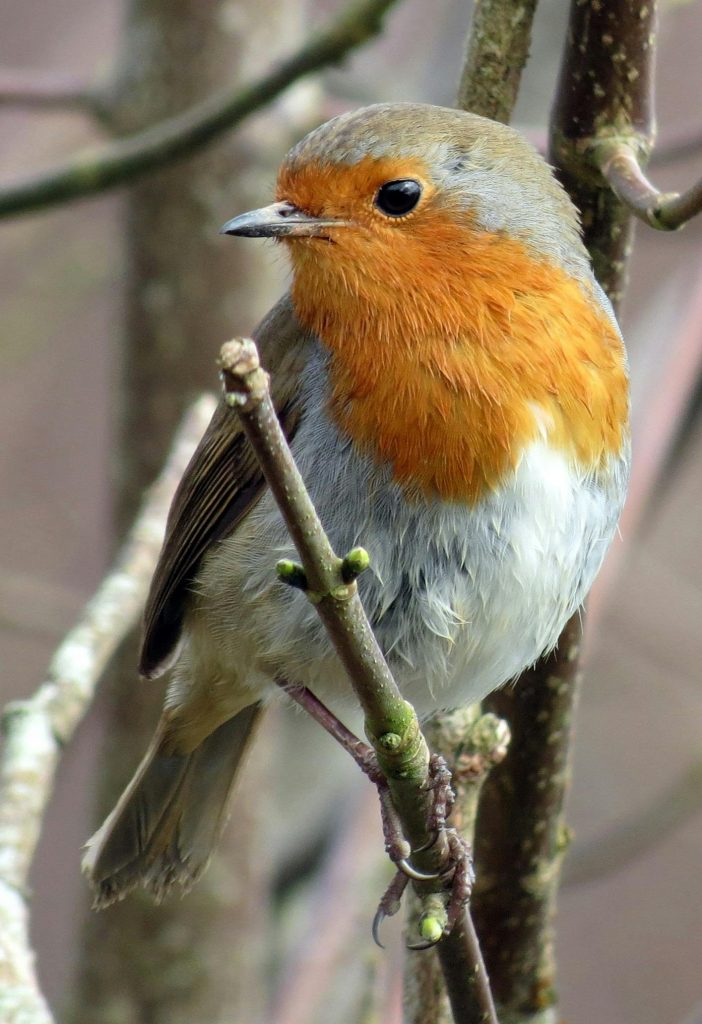
Blackbirds, magpies, robins, blue tits and great tits, house sparrows, woodpeckers and jackdaws are among the most commonly seen in gardens during the year.
Garden birds appreciate any additional food supplied in feeders and on bird tables, especially during spells of cold weather.
While bird lovers will keep their feeders full the one thing that may be overlooked is a supply of fresh, clean water – especially in the colder months when other water sources may have frozen over or in the summer when natural reserves have dried up.
Ornamental bird baths, a shallow dish or even an upturned dustbin lid with some large stones in the centre are all welcomed by garden birds to drink from. They can also use them for bathing.
Even during the coldest weather, birds love to bathe and preen their feathers which helps to keep them in tip-top condition.
Preening ensures natural oils are produced which keep them waterproofed during highly wet and cold weather and helps to maintain body heat.
A frequently asked question at Animals’ Voice is how to stop water bowls and bird baths from freezing during cold weather.
A stick or small plastic ball/marble placed in the water should help prevent it from freezing over, but we would recommend you check your water daily.
Should you run out of conventional bird food, some food cupboard staples can be used as an alternative, including; sunflower seeds, soft fruit of apples, pears, plums, strawberries, raspberries, breadcrumbs, pastry and cheese.
Ducks, Geese and Swans
Ducks, geese and swans belong to a large group of waterfowl known as Anatidae.
Around 60 species live in the UK. They range in size; some can be incredibly small up to being among the world’s largest birds. They live on or around water.
Their short, pointed and muscular wings help them fly, while their waterproof feathers allow them to repel water.
Ducks’ bills are generally longer than geese, and tend to be wide and flat.
Goose bills are shorter and rounder swans, have long thick bills and are easily recognisable by their size, being the largest of our native water birds.
Advice on injured birds
Cat attacks account for the most common type of injury caused to birds.
If you come across an injured bird, they will need to be treated with antibiotics as quickly as possible. Even the smallest of injuries can be devastating, potentially leading to infection, which can be fatal.
Contact your local vet or wildlife rescue centre for advice. If you are able to, place the bird in a secure and warm cardboard box, in a quiet area.
Birds often fly into windows, or car doors and the main side effect is concussion.
They may be disoriented or confused. Quickly but calmly put the injured bird in a warm cardboard box and check every ten minutes on the bird.
Sometimes, they will seem dazed before recovering. When they appear to have recovered try and put them back as near to where they were found.
If they are injured, contact a wildlife rescue or vet centre, they will be able to offer comprehensive advice.
Fledglings
Not all young birds can fly when they leave the nest and will spend a few days fluttering around on the ground and hiding under hedges.
They will continue to grow stronger daily, and their parents will do a better job raising them than being hand reared. They may look abandoned, but their parents usually hide nearby to bring food.
It may seem tempting to help a small fledgling but often they don’t need any assistance and are getting ready to fly again. Please do not remove fledglings unless in danger.