
Deer
How to donate
Click below to donate to Animals' Voice and
help us open a wildlife rescue centre in the New Forest
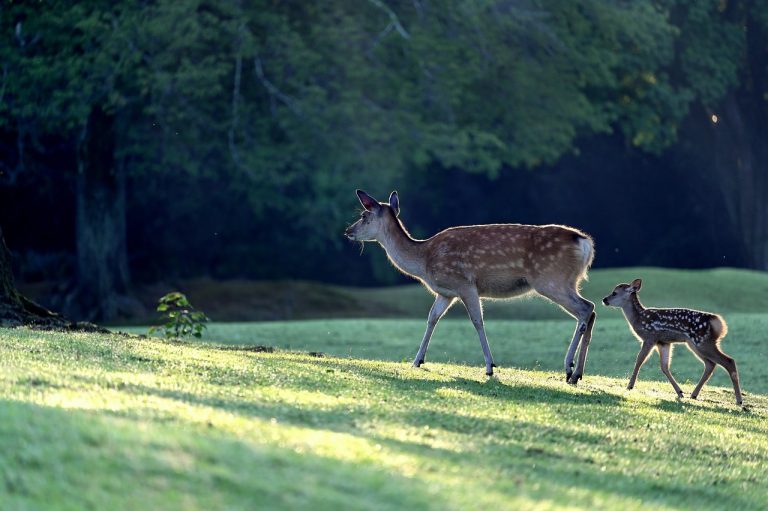
Animals' Voice: Guide on Deer
The UK is home to six species of deer; Roe, Muntjac, Fallow, Sika, Chinese Water and Red. The New Forest area is home to five species, with only Chinese Water deer not present. Deer can be elusive, and they don’t have a natural predator. They eat fruit and berries, grass and leaves and sometimes the shoots of trees, which can cause trouble. Males are known as stags, while females are known as does.
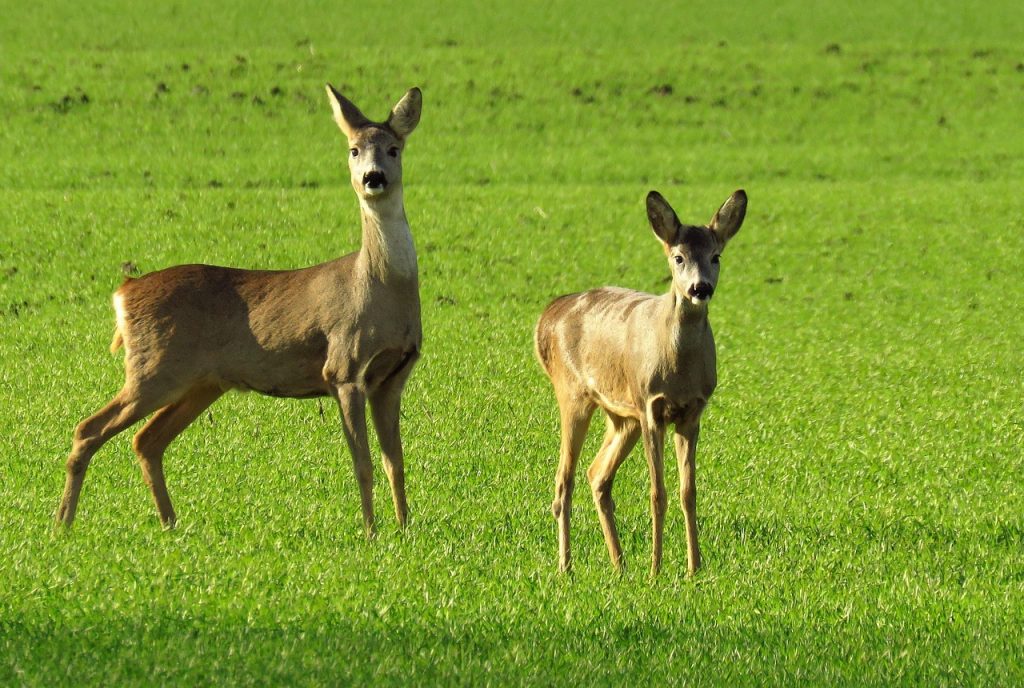
Roe deer
The roe deer is the most common type of deer within the U.K. Males are referred to as buck, females as doe and their offspring as a kid.
In the summer, they are brown, turning grey or black in winter. They usually live independently in the summer; however, in the winter, they can be seen in groups.
They can be easily startled, and much like a dog, they bark when alarmed. Males will typically rut during the breeding season. They can live up to 10 years old.d
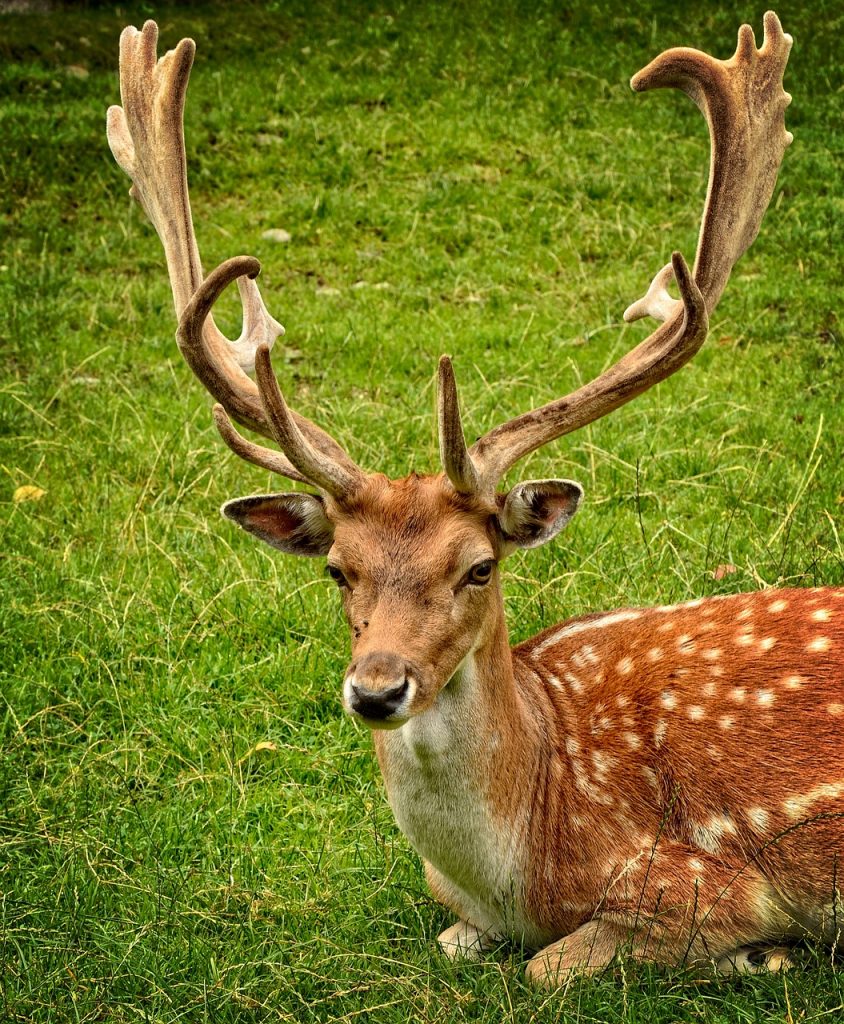
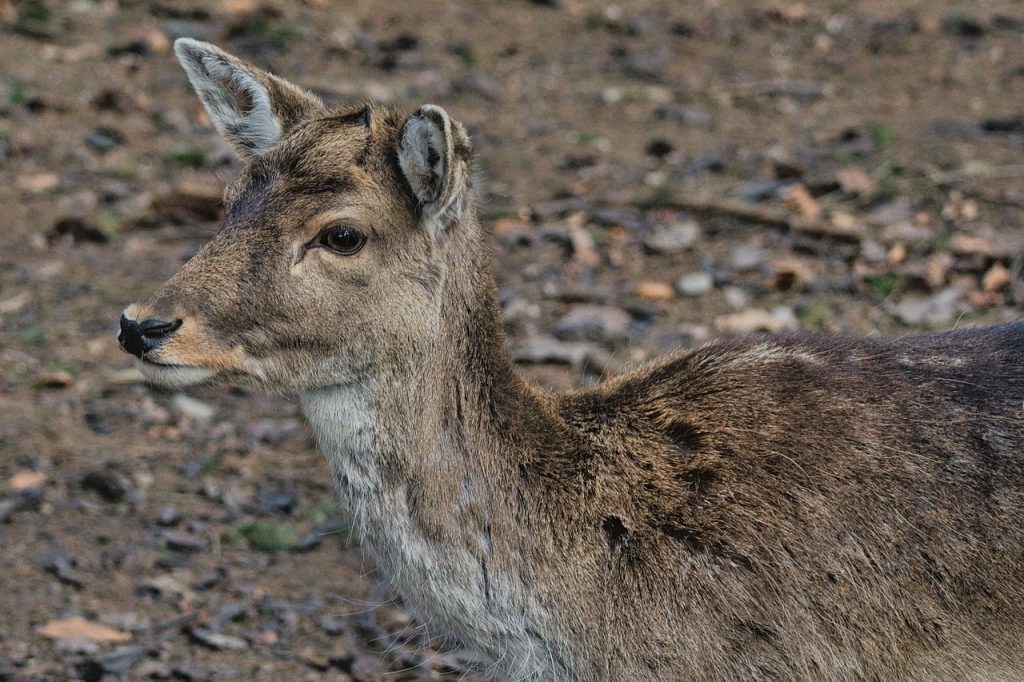
Fallow deer
Males are referred to as buck, females as doe and their offspring as a kid.
Their antlers palmate (shaped like hands or feet). They live in woodlands or areas with thick low-lying vegetation. Fallow deer tend to eat grass but will also graze on shrubs. They live in single-sex or mixed groups.
They can live up to 16 years old.
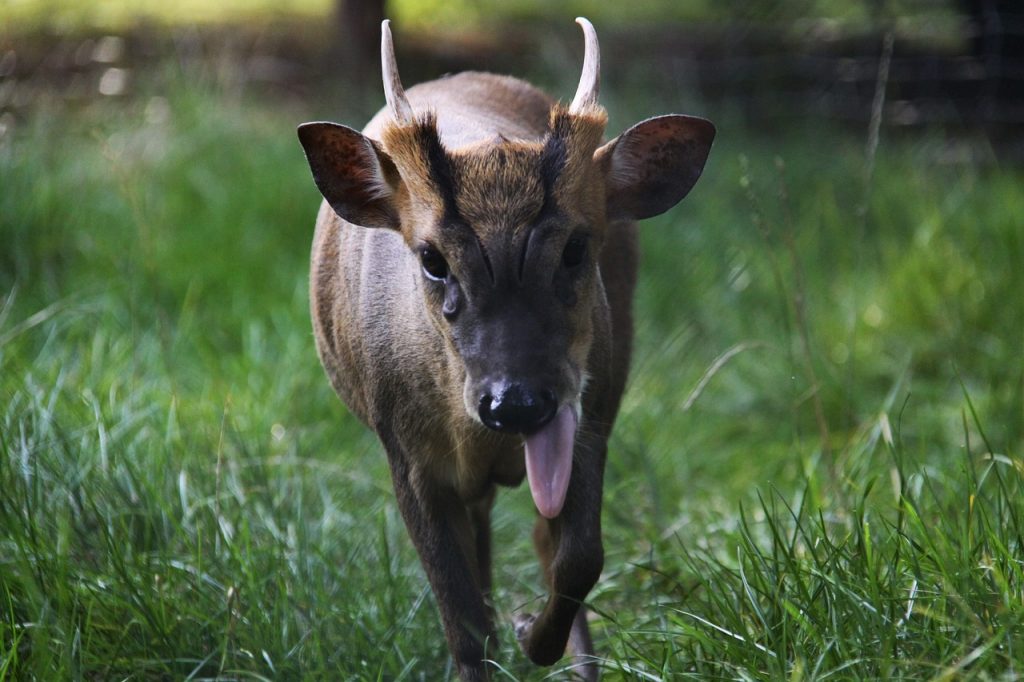
Muntjac deer
Males are referred to as buck, females as roe and their offspring as fawn.
They live solitary or in pairs and are most active at dusk and dawn. Their diet mainly consists of shrubs and herbs. They breed from up to seven months old and all year round. They are much smaller than other species weighing up to 18kg. They can live up to 19 years old.
They have antlers and tusks for the majority of the year, however they enjoy a cycle of shedding and subsequent regrowth. Their antlers are shed in the spring, and are fully regrown by the autumn.
Given their non native status in the UK, they are classified as an invasive species. therefore, if you find an injured one in the wild, you can’t release them – contact your wildlife rescue centre for more guidance.
Sika deer
Males are referred to as stag, females as hind and their offspring as a calf.
They typically live in single-sex groups. They can live up to 12 years old. Their diet consists primarily of grass, shrubs, and occasionally tree roots. They can weigh up to a majestic 70kg.
Breeding season is from September to November, and they tend to only have one fawn which is usually born between May and July.
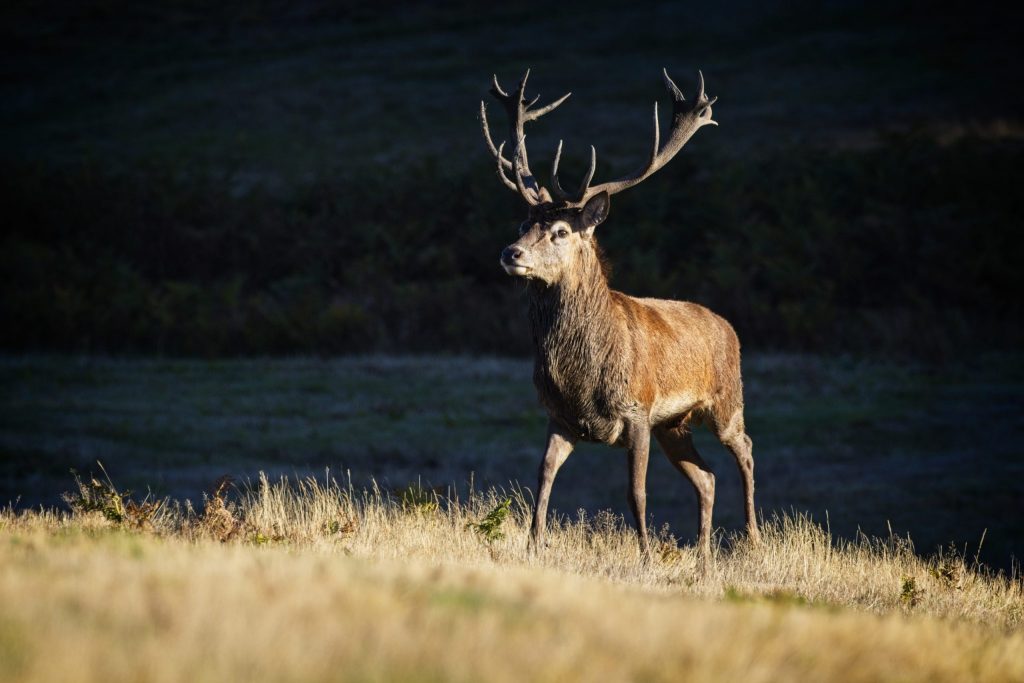
Red deer
Males are referred to as stag, females as hind and their offspring as a calf.
The largest land mammal in the UK, the red deer often lead solitary lives, or form small groups.
They are most active at dusk and dawn, meaning they can be elusive.
Males can weigh up to an incredible 190kg, while females typically weigh up to 120kg.
A lifespan of up to 18 years old, makes them one of the longest living deer species.
Advice on injured deer / fawn
Deer will often leave their fawn hidden away; in places they believe are safe, typically long grass or tucked in hedges, away from predators. They can spend a long time away from their young gathering food for themselves before returning to their fawn.
A fawn’s ears are a good way of identifying whether it might need help. A dehydrated fawn may have curled ears, which can signify that it is struggling. However, this is not the only sign so observe from a distance and look for other indicators that they might need help.
If you see a fawn with visible injuries, such as broken bones, bites or visibly bleeding wounds, they require medical attention. A fawn with flies, fly eggs or maggots in or around their skin will also need assistance
A fawn crying and making an evident, loud noise is noticeably hungry and may call out for its mother. They don’t usually make visible noises, as they may attract predators. If you have seen a lone fawn or several fawns together without a parent evident, revisit the location 48 hours later – if they are still in the same spot and looking distressed it is a sign you need to intervene.
If you are walking your dog in an area where you have previously seen deer, please keep your dog on a lead and stay on the main tracks.