
Think of big cats; your first thought will likely be a lion or tiger.
Big cats have a rich history, popularly highlighted in wildlife documentaries, popular culture, and the focus of conservation efforts worldwide.
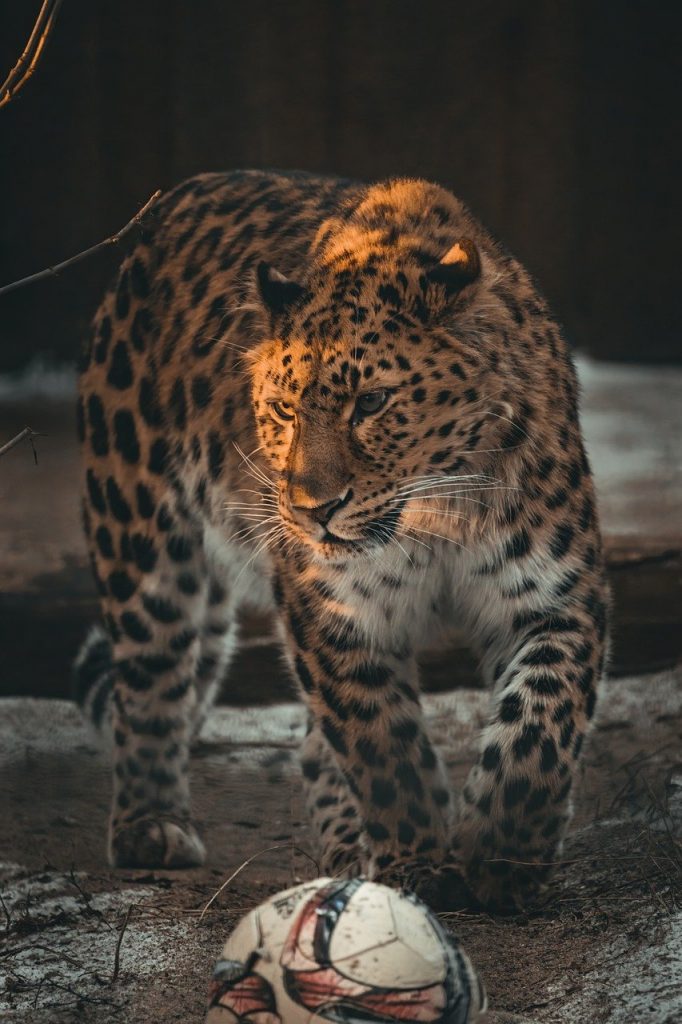
Perhaps the most elusive big cat, the amur leopard, has seen its numbers in the wild shrink to only 100. A subspecies of the leopard residing in the east is now critically endangered, and a massive conservation effort is in place to ensure that they protect their numbers and increase them. It’s a heartbreaking loss in terms of numbers for such a beautiful animal, with its thick coat and beige fur, alongside its long tails providing warmth and helping them; similarly to tigers, they hunt alone.
They are nocturnal animals residing in the forests of China and Russia, which can feel freezing temperatures in the height of the freezing winter months. Their coat provides a unique way to help protect them from the temperatures. They also wrap their long tails around their body to keep warm from the freezing winter climate.
Hunting is one of the main reasons their numbers have dwindled; however, continuous excess logging, forest fires and developments have destroyed their homelands. Their stunning spotted coat, unfortunately, makes them a target for people in the illegal wildlife trade, while their bones are used in unproven Asian medicines. Climate change also has a considerable impact, with increased competition from more giant Amur tigers for prey, which are much bigger and more significant in population.
The spot patterns for amur leopards are unique to each individual, similar to humans and our unique fingerprints.
Most Amur Leopards reside in Russia, with a small percentage living in China.
Females outnumbered males, which is fantastic news for future conservation efforts as they look to increase their numbers. A female usually gives birth to two-three cubs, and they are incredibly vulnerable in their early weeks, so mum will ensure they are kept well hidden for the first few months of their lives.
Conservation efforts, however, have played an essential part in their survival, with figures in 2007 estimating only a maximum of 25 remained in the wild.