Wildlife

dog, cute, animal-3071334.jpg

Helping wildlife during bonfire night and Halloween

How to help animals and wildlife during Fireworks Night and Halloween.

As darker nights draw in, Animals Voice offers a range of advice for pet owners due to troubles often caused by the approaching fireworks during Halloween and Bonfire night.

Over 60% of the UK population are pet owners, and many of our pets don’t understand fireworks or the noise and flashes they bring.

Fireworks can easily frighten dogs, cats, rabbits and horses, setting off their stress response. In return, this can make them perform specific negative behaviours, including going to the toilet in the house or even attempting to escape from the garden. Some pets can become destructive or tremble in fear. Fortunately, there are ways to lower the risks from fireworks and reduce the stress on your pets.

There is usually a range of products vets recommend to help calm your dog if they are frightened of fireworks.

Try to walk your dog in the daylight before fireworks are likely set off. When you get home, draw your curtains and close your windows, which should help lessen the sounds of fireworks; if you have blackout blinds, this should also help. Watch television or play music to help block the noise from fireworks. When dogs feel stressed, they often drink more, so make sure they have plenty of water in their bowls.

Before fireworks night approaches, find a space where your dog can enjoy toys while feeling safe. You can also place a bed there and allow them access anytime. This can make them feel more comfortable as fireworks are set off. Your dog might want to play with you or seek reassurance, so whichever they choose, help them in the relevant way. Try to keep calm and carry on as usual as possible, as this could also stress your dog.

Ensure you bring your cats in, if you can, before the dark sets in.

Ensure your cat’s microchip is up to date. Allowing them a space where they can hide indoors, and you can bring them inside to avoid them becoming startled or frightened by the fireworks.

If you plan to light a bonfire on bonfire night, check through it before you burn it, as wildlife may be resting in it, especially hedgehogs, frogs or toads.

Helping wildlife during bonfire night and Halloween Read More »
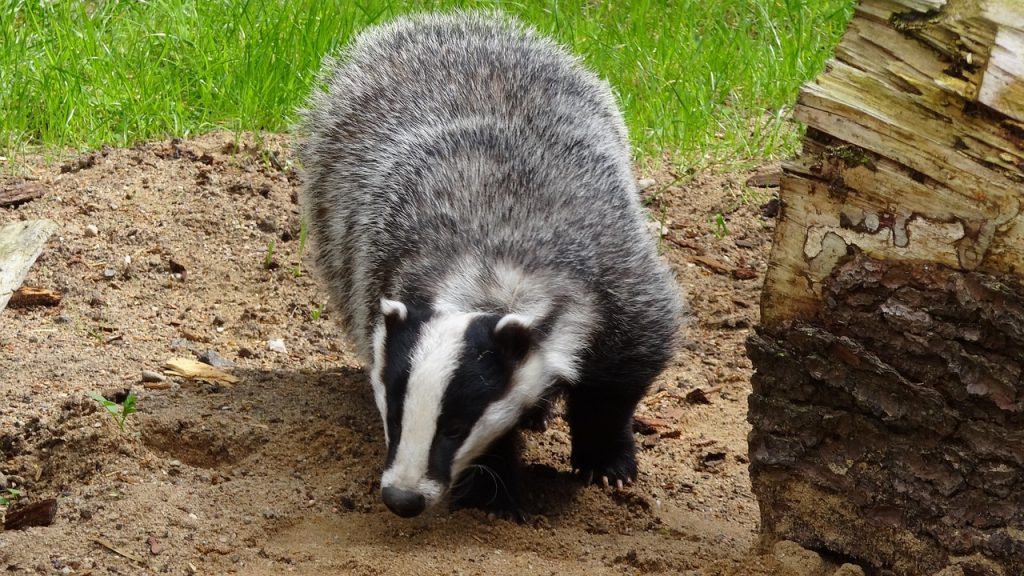
badger, animal, badgers-44210.jpg

National Badger Day

In celebration of National Badger Day and a key symbol of our beloved countryside, Animals Voice celebrates one of our most beloved animals.

When you think of the countryside, woodlands and badgers are some of the first thoughts that come to mind. However, despite being one of the well-known members of the countryside, many people haven’t seen badgers, as they’re nocturnal.

During the day, they live within their clans or family groups underground in setts they’ve dug out with razor-sharp claws. Most badger setts are built within woodland areas, where they are sheltered, and they emerge at night to forage for food.

Their name derives from the French language; badger comes from the word “Bucher”, which translates as a digger. Their powerful front claws help them to dig their setts and also dig for their food. They are big fans of mealworms, which comprise over three-quarters of their diet.

As the largest land predator, badgers are an incredibly social species. Living together in family groups, a group of badgers is known as a cete. Though they spend much of their time underground in the daytime, badgers don’t like a mess; they will only sometimes bring food into their homes, or go to the toilet in their setts.

There are 11 different species of badgers globally, and they enjoy an omnivore’s diet, including fruit, seeds and small mammals, including frogs, birds and insects. The type of badgers we see in the UK and across Europe have black and white stripes.

Badgers don’t hibernate; however, they use the autumn months to add extra weight in preparation for winter. The body fat they store in the autumn helps them in the winter. During the winter, they sleep for longer to preserve energy.

How can you help badgers?

Badgers are known to visit people’s gardens; therefore, providing fresh food and water is helpful to them, especially when food is more scarce. Winter is when the ground is more likely to be frozen, so sourcing food such as mealworms is much more difficult.

They will always be grateful for fresh water, and leaving out wet canned cat or dog food or fruits and mealworms can help them supplement their diets. Try to leave the food out at the same time each night, which helps to encourage them to visit at set times. Only leave enough food to help supplement their diets. The aim should never be for them to become reliant on you for their primary food source and venture into other people’s gardens who might not be as keen.

National Badger Day Read More »

gorilla, primate, ape-7780902.jpg

In celebration of World Gorilla Day

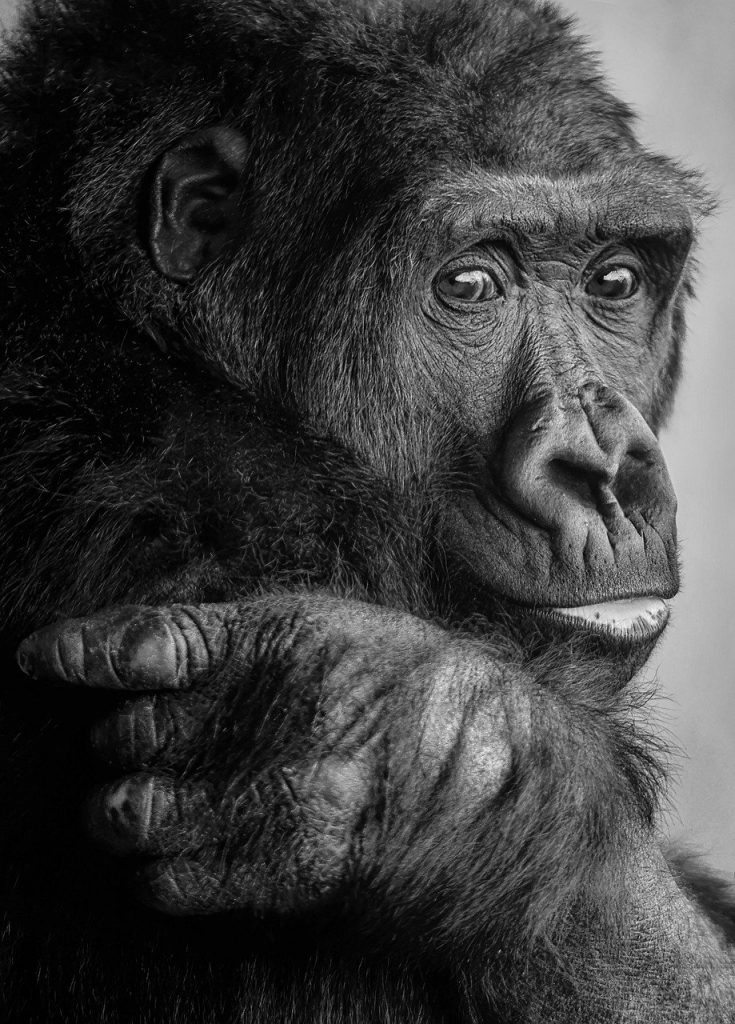
In celebration of World Gorilla Day, which takes place on 24 September, Animals’ Voice celebrates one of humans’ nearest relatives.

Residing in the vast African rainforests, two species of gorilla, the Eastern and Western, each live within one side of the forest. There are two subspecies of each, the lowland and mountain, meaning there are four overall types of gorillas.

Alongside bonobos and chimpanzees, gorillas share up to 98% of our DNA, meaning they share much of our genetics. One of their similar traits to human fingerprints is that their nose prints are unique, and the shape of their nose is individual to each gorilla. Gorillas are the largest primate species, and an adult male is thought to have around ten times the strength of a human male.

They are knowledgeable and will often showcase intelligence and emotions that are similar to ours, including laughter and sadness. The average lifespan of a gorilla in the wild is around 40 years old, and scientists have recorded them using various tools in the wild, creatively using their intelligence, such as twigs to pick up insects.

Each adult is known to be able to eat up to around 10% of their body weight each day.

Gorillas are incredibly social animals, and they live together in a group, also known as a troop. The size of each troop can be up to ten; however, this number can vary, and they can be up to thirty. The group comprises a dominant male, multiple females, and their young.

The dominant male in a group is a silverback and tends to be the only adult male in the group, apart from his juvenile young. These are the troop’s largest, and each is recognised by a small patch of grey fur on their back. Though they tend to eat primarily vegetarian food, they also enjoy insects and bugs.

Western lowland gorillas were labelled critically endangered in 2018; however, conservation work has improved.

Despite being closely related to humans, the main threat to their population numbers is, sadly, humans. They face risks from habitat destruction, including deforestation, poaching and hunting, and human conflict, which encroaches on their habitat.      

In celebration of World Gorilla Day Read More »

leopard, amur leopard, predator-7767845.jpg

Endangered Species Feature : Amur Leopard

Think of big cats; your first thought will likely be a lion or tiger.

Big cats have a rich history, popularly highlighted in wildlife documentaries, popular culture, and the focus of conservation efforts worldwide.
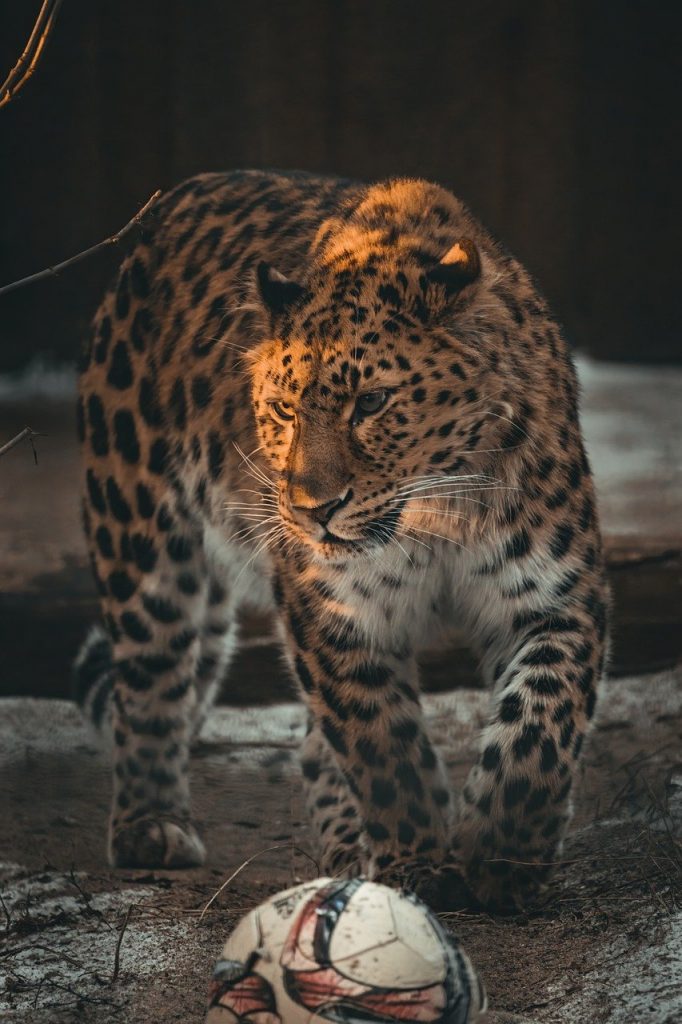
Perhaps the most elusive big cat, the amur leopard, has seen its numbers in the wild shrink to only 100. A subspecies of the leopard residing in the east is now critically endangered, and a massive conservation effort is in place to ensure that they protect their numbers and increase them. It’s a heartbreaking loss in terms of numbers for such a beautiful animal, with its thick coat and beige fur, alongside its long tails providing warmth and helping them; similarly to tigers, they hunt alone.

They are nocturnal animals residing in the forests of China and Russia, which can feel freezing temperatures in the height of the freezing winter months. Their coat provides a unique way to help protect them from the temperatures. They also wrap their long tails around their body to keep warm from the freezing winter climate.

Hunting is one of the main reasons their numbers have dwindled; however, continuous excess logging, forest fires and developments have destroyed their homelands. Their stunning spotted coat, unfortunately, makes them a target for people in the illegal wildlife trade, while their bones are used in unproven Asian medicines. Climate change also has a considerable impact, with increased competition from more giant Amur tigers for prey, which are much bigger and more significant in population.

The spot patterns for amur leopards are unique to each individual, similar to humans and our unique fingerprints.
Most Amur Leopards reside in Russia, with a small percentage living in China.

Females outnumbered males, which is fantastic news for future conservation efforts as they look to increase their numbers. A female usually gives birth to two-three cubs, and they are incredibly vulnerable in their early weeks, so mum will ensure they are kept well hidden for the first few months of their lives.

Conservation efforts, however, have played an essential part in their survival, with figures in 2007 estimating only a maximum of 25 remained in the wild.

Endangered Species Feature : Amur Leopard Read More »

animal, nature, bird-8510775.jpg

Animal Welfare Bill Dropped And Leaves Wildlife Behind

Among the commitments proposed in the lead-up to the general election, improving welfare for wildlife and domestic animals was part of the 2019 Conservative manifesto.

Among the planned legislations, the aim was to protect, improve and enhance animal welfare in the UK. The plans had been seen as a positive step for animal welfare in the country and would have made it one of the strongest in the country.

After going through several stages of legislation, the government withdrew the bill and removed several protections that would have positively impacted animals in the UK. No alternative plans have been proposed.

Opposition parties attempted an attempt to re-introduce the legislation into the political agenda in June; however, it was swiftly rejected by the government.

There hasn’t been, and there has been no explanation why the bill was dropped, but once again, Animals Voice, alongside other animal charities, have been left saddened as wildlife has been left to play second fiddle to politics.

The bill offered a chance for Britain to become a leading voice in global wildlife welfare, showing how other countries could follow their lead.

In today’s challenging landscape for people and wildlife alike, we live in the hope that nature once again gets the attention and focus that they deserve.

Animal Welfare Bill Dropped And Leaves Wildlife Behind Read More »

butterfly, insect, pollination-7954767.jpg

The Importance Of the Butterfly Count

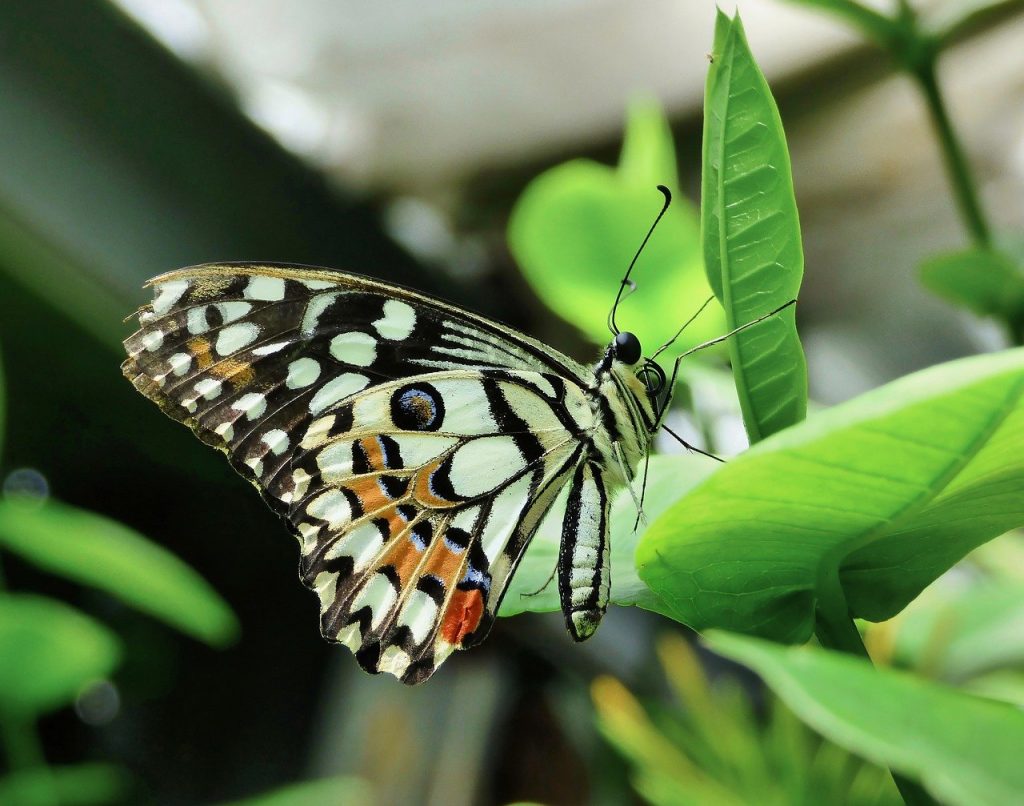
Throughout the usually warmer months of spring and summer,  butterflies start to appear as they search for food and a mate.  Every year from mid-July until early August, the butterfly count occurs nationwide. 

Taking part in the count is very simple. Follow this link : https://bigbutterflycount.butterfly-conservation.org/, or alternatively, download the app.

It only takes around 15 minutes daily, simply counting and noting how many butterflies are around your area in that timeframe. You can take part as often as you want. No space is too small, whether you own a large back garden, a small terrace or you simply want to take part whilst on a walk. All logged entries help shape the future of a creature vital to our wildlife. 

By taking part you will be joining famous figures who including the King, David Attenborough and Chris Packham who support the Butterfly Count. 

Up to 100,000 entries are logged each year. Scientists use the results to see the impact of climate change on various species of butterflies. It is one of the largest population type survey found in the UK, and key findings include how weather changes impact the lifecycle of butterflies and moths. 

The butterfly count has an important role in today’s society, presenting an overall outlook of the health of different species of butterflies and moths. Butterflies, alongside moths, are critical indicators of levels of biodiversity. Alongside bees, they pollinate flowers, which are essential to our ecosystem. 

Almost half of butterfly species are in decline, but with our help, scientists can formulate plans to protect and save many of our beloved species. The count helps scientists to collect data which will inform on which species need help and protection.  

As well as helping to play your part in helping a beautiful species, it also provides the perfect opportunity for you to head outdoors and spend time reconnecting with nature. 

They play an essential role in our ecosystem, and Animals Voice encourages everyone to take part in the count. 

The Importance Of the Butterfly Count Read More »

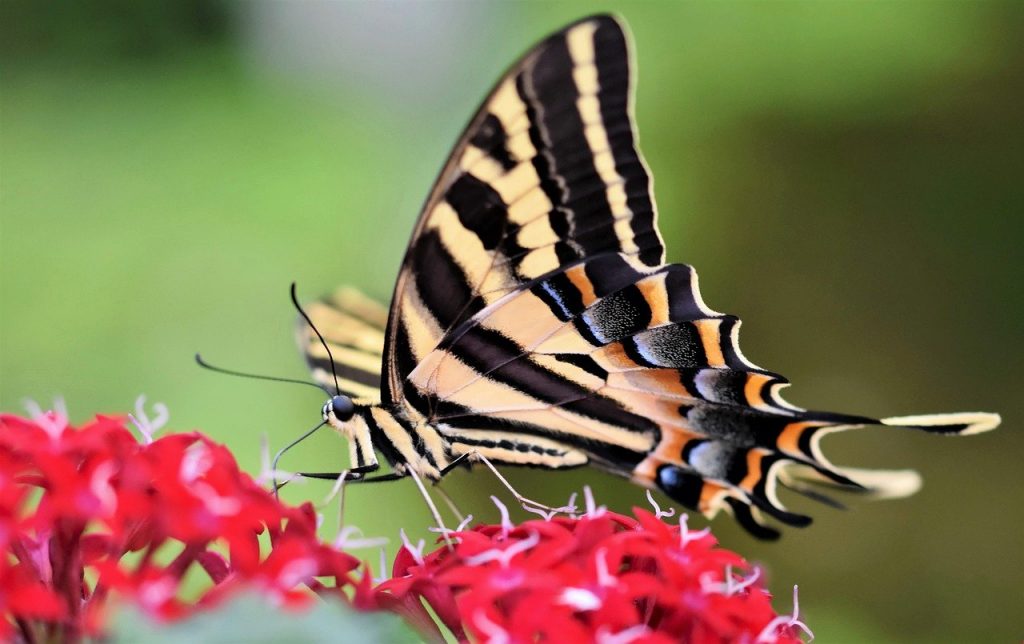
swallowtail butterfly, butterfly, flower wallpaper-7960262.jpg

Animals’ Voice Guide On How To Create a Wildlife Friendly Garden

Creating a wildlife friendly garden doesn’t have to be expensive, and can bring a range of beautiful animals into your own backyard. There are more hours of daylight and the weather tends to be warmer. This creates the perfect environment for more wildlife to thrive in the summer months. 

Two of the most important elements for a wildlife garden, are food and water.

A simple small bowl, or even a dog bowl will help provide much needed refreshment for bees, butterflies, hedgehogs and even foxes and badgers. Ensure you add a small stone or bit of wood to the bottom, so they can safely get out from the dish. 

 For many animals, such as bees and butterflies, this can be as simple as flowers for them to pollinate. Planting a range of colourful flowers attracts pollinators to our gardens. By choosing a variety of different plants and foods, wildlife will be provided with options which come into season throughout different points of the year. 

A bird feeder is a great way to attract a wild variety of birds into your garden, and can also attract further wildlife. If you can’t find a bird feeder, placing bird food into an old plastic bottle also helps. In the height of summer, in warmer weather and likewise in winter when reserves are important are two good times of the year to put out feed for birds. 

By leaving an area of your grass uncut, frogs, hedgehogs and insects can find places to shelter and creates habitats for a range of wildlife. As well as bird seeds, birds will also enjoy eating insects and bugs who live in the longer grass. 

A species in decline, the hedgehog is still one of Britain’s more beloved species. As a nocturnal animal, you will rarely see them in the daylight.

Despite their size, they are in fact quite agile and can travel large distances in search of food or a mate.

By providing a small space in your garden, in a hedge or a fence if possible, you can help hedgehogs. This can help them travel through gardens and find much needed food.  

Hedges and trees give wildlife a place to nest in, but also importantly shelter to hide from predators and protect them from the British weather. 

Animals’ Voice Guide On How To Create a Wildlife Friendly Garden Read More »

Scroll to Top