Animals Voice

All latest news from Animals Voice on our non-profit wildlife rescue and rehabilitation centre, and also information on animals, wildlife and campaigns locally, nationally and globally

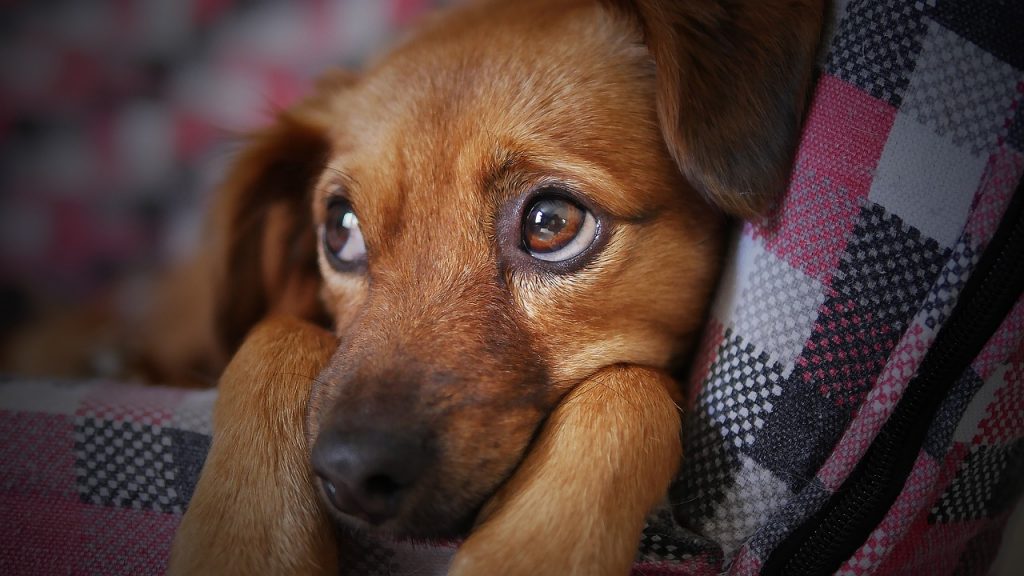
dog, cute, animal-3071334.jpg

Helping wildlife during bonfire night and Halloween

How to help animals and wildlife during Fireworks Night and Halloween.

As darker nights draw in, Animals Voice offers a range of advice for pet owners due to troubles often caused by the approaching fireworks during Halloween and Bonfire night.

Over 60% of the UK population are pet owners, and many of our pets don’t understand fireworks or the noise and flashes they bring.

Fireworks can easily frighten dogs, cats, rabbits and horses, setting off their stress response. In return, this can make them perform specific negative behaviours, including going to the toilet in the house or even attempting to escape from the garden. Some pets can become destructive or tremble in fear. Fortunately, there are ways to lower the risks from fireworks and reduce the stress on your pets.

There is usually a range of products vets recommend to help calm your dog if they are frightened of fireworks.

Try to walk your dog in the daylight before fireworks are likely set off. When you get home, draw your curtains and close your windows, which should help lessen the sounds of fireworks; if you have blackout blinds, this should also help. Watch television or play music to help block the noise from fireworks. When dogs feel stressed, they often drink more, so make sure they have plenty of water in their bowls.

Before fireworks night approaches, find a space where your dog can enjoy toys while feeling safe. You can also place a bed there and allow them access anytime. This can make them feel more comfortable as fireworks are set off. Your dog might want to play with you or seek reassurance, so whichever they choose, help them in the relevant way. Try to keep calm and carry on as usual as possible, as this could also stress your dog.

Ensure you bring your cats in, if you can, before the dark sets in.

Ensure your cat’s microchip is up to date. Allowing them a space where they can hide indoors, and you can bring them inside to avoid them becoming startled or frightened by the fireworks.

If you plan to light a bonfire on bonfire night, check through it before you burn it, as wildlife may be resting in it, especially hedgehogs, frogs or toads.

Helping wildlife during bonfire night and Halloween Read More »
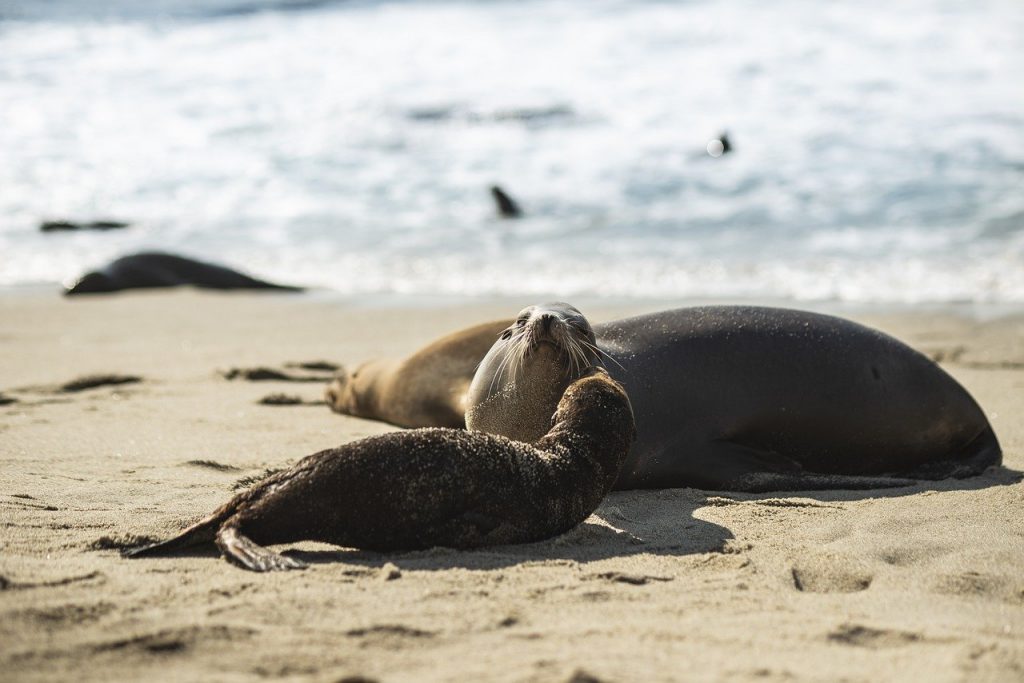
beach, seal, marine-7730209.jpg

A Guide By Animals’ Voice On Seal Encounters In the UK

Unknown to many, the UK is one of the most populous countries regarding seal populations. From the Pembrokeshire coast in Wales, the northern English Northumberland coast to the seas of Devon, Dorset and Cornwall, Atlantic and Common seals can be spotted along the coastlines.

Seals are familiar beach visitors, and seeing them for the first time can be exciting. In fact, they spend more time outside the water than in it.

As we venture to the beaches and the coastline in the summer months, there are several vital facts to know in case you come across a seal or even a seal pup. They are best viewed from afar, ideally with binoculars or your camera. Their sense of smell is immense,
If you spot one on the beach, the best way is to watch them downwind and keep at least ten metres apart. It is also essential to keep quiet and speak as quietly as possible and avoid eye contact with them. It can set off the flight or fight mode for seals.

A disturbed seal can become a danger to itself. Typically, they rush back to the sea, which can cause injury to themselves. If a seal panics, they tend to lose energy quicker, too and increased stress levels can also make them more suspectable to predators.

Dog bites are a leading cause of injuries to seals; therefore, keeping your dog in control and on the lead is imperative to avoid unnecessary confrontation and injuries.

Taking home your rubbish at the end of the day is also a critical step to help protect the plastic from entering the ocean and becoming entangled, increasing the likelihood of an injury.

The pupping season tends to happen in the later autumn and winter months; therefore, it’s a great time to view seals as they enter the subsequent phases of their lives. Seal pups only stay with their mothers for three weeks, and during this time, you must not disturb them as it may cause the seals to abandon their young. Seals are easily disturbed and startled, and they won’t hesitate to rush into the water if they feel threatened and can even trample their own young.

A distressed or injured seal should be reported to the RSPCA, or the British Divers Marine Rescue, who specialise in seal rescue; taking note of the location is vital.

A Guide By Animals’ Voice On Seal Encounters In the UK Read More »

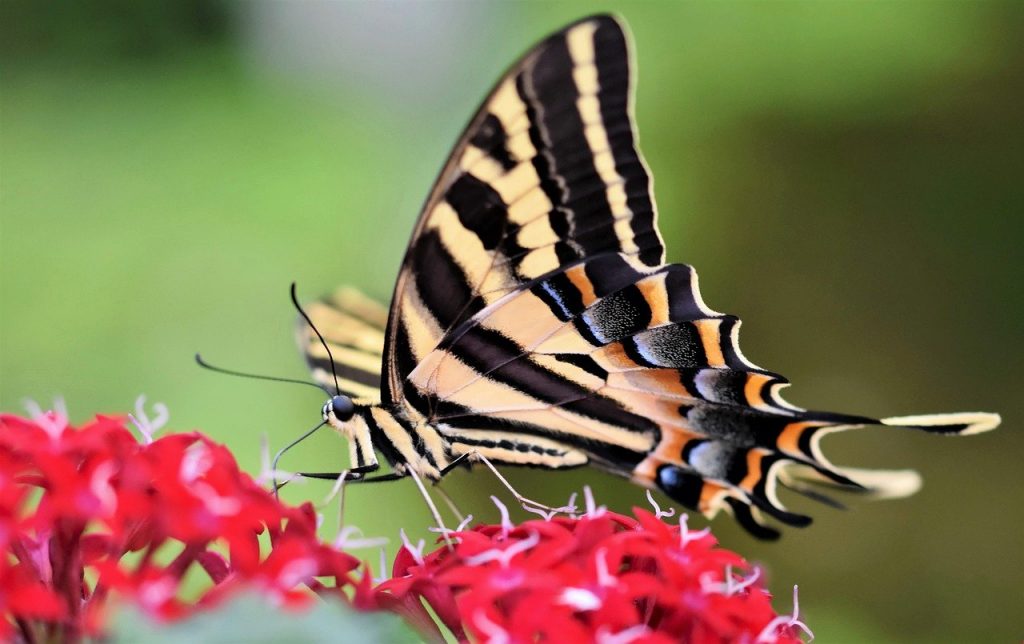
swallowtail butterfly, butterfly, flower wallpaper-7960262.jpg

Animals’ Voice Guide On How To Create a Wildlife Friendly Garden

Creating a wildlife friendly garden doesn’t have to be expensive, and can bring a range of beautiful animals into your own backyard. There are more hours of daylight and the weather tends to be warmer. This creates the perfect environment for more wildlife to thrive in the summer months. 

Two of the most important elements for a wildlife garden, are food and water.

A simple small bowl, or even a dog bowl will help provide much needed refreshment for bees, butterflies, hedgehogs and even foxes and badgers. Ensure you add a small stone or bit of wood to the bottom, so they can safely get out from the dish. 

 For many animals, such as bees and butterflies, this can be as simple as flowers for them to pollinate. Planting a range of colourful flowers attracts pollinators to our gardens. By choosing a variety of different plants and foods, wildlife will be provided with options which come into season throughout different points of the year. 

A bird feeder is a great way to attract a wild variety of birds into your garden, and can also attract further wildlife. If you can’t find a bird feeder, placing bird food into an old plastic bottle also helps. In the height of summer, in warmer weather and likewise in winter when reserves are important are two good times of the year to put out feed for birds. 

By leaving an area of your grass uncut, frogs, hedgehogs and insects can find places to shelter and creates habitats for a range of wildlife. As well as bird seeds, birds will also enjoy eating insects and bugs who live in the longer grass. 

A species in decline, the hedgehog is still one of Britain’s more beloved species. As a nocturnal animal, you will rarely see them in the daylight.

Despite their size, they are in fact quite agile and can travel large distances in search of food or a mate.

By providing a small space in your garden, in a hedge or a fence if possible, you can help hedgehogs. This can help them travel through gardens and find much needed food.  

Hedges and trees give wildlife a place to nest in, but also importantly shelter to hide from predators and protect them from the British weather. 

Animals’ Voice Guide On How To Create a Wildlife Friendly Garden Read More »

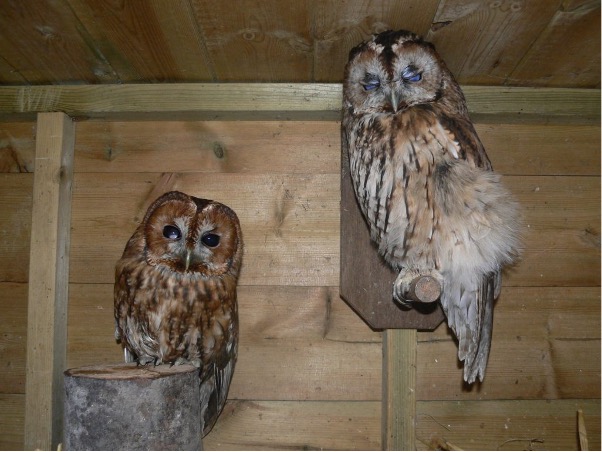
The Story Of a Wildlife Rescue Of a Barn Owl In the New Forest


Imagine my surprise when late one afternoon towards the end of October I received a telephone call asking if I could care for a Barn Owl some friends had found whilst out walking their dog on the downs.

The Barn Owl was discovered on the edge of an area of conifers and appeared to be extremely cold with a damaged wing. The gentleman picked it up without a struggle and tucked it inside his jacket to keep it calm and warm. When they arrived at their car, they gave me a call to enquire if I could have a look and see what could be done to help the Barn Owl, I asked them to bring it along to me at AV headquarters and offices.

About twenty minutes later they arrived, where I had a large carrier waiting with a heat pad. Without trying to stress the Barn Owl I did a quick assessment and immediately realised I needed to get him to our vet. Arriving at our local vets I explained what had happened and where he had been found and they told me they would give me a call to let me know what their diagnosis was and whether they would need to keep him for observation or if he could be returned to me to be cared for.

About an hour later I received a call from the veterinary nurse to say that he had concussion and a very badly bruised wing but no broken bones and was ready for collection and assured me that by keeping him warm and lots of building up over the next few weeks he would be ok to be released!

A white owl sitting on a branch
Description automatically generatedMy contact with the owl was limited but I ensured he was kept warm and within two days he came out of concussion and was feeding himself, although he still had a slight dropped wing. Over the following weeks his wing improved immensely, and he started to exercise the wing. Imagine my delight when I went into the aviary to place his food to discover him fly pass my head out into the run at the front and land on a perch.

I had avoided making unnecessary contact and only visiting to place his food at night and of course to clean him out at weekends and although the food was disappearing and his wings were both now in place, until now I was unsure of his ability to fly.

I kept him a further week before releasing him back to the site he was found. It was such a delight to take him from the carrier after he had tried to convince me he was dead by falling on his back, which I found extremely amusing especially as his claws where clasped tightly around my leather gloves. (Something various birds of prey do instinctively, hoping it will give them an opportunity to escape).

Realising we were in the open countryside he sat upright, alert and eager to take his next step back into the wild. He flew away stopping briefly on a fence post to get his bearings and then he was up and away across the downs.

Although I was ecstatic that he was back in familiar surroundings and all was well, there was a tinge of sadness I felt having cared for him for so many weeks.

The Story Of a Wildlife Rescue Of a Barn Owl In the New Forest Read More »

Animals’ Voice Thrilled To Announce Purchase of Property At Butts Lawn Farm

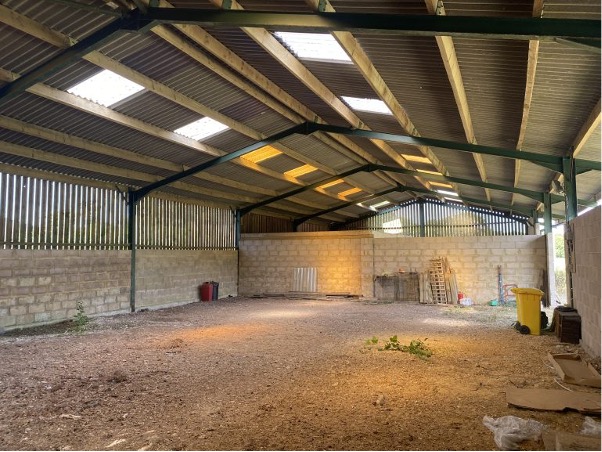
The trustees and staff of Animals’ Voice are thrilled to share the fantastic news that we have acquired ‘Butts Lawn Farm’, comprising a cosy two-bedroom holiday bungalow, nearly two acres of land and a large barn with and out-buildings.

This venture has taken us several years to purchase, as we have been looking for the perfect property that could encompass our vision for the future. With funding and hard work, this will become our flagship wildlife rescue and rehabilitation centre.

We will also create an educational hub for visitors, emphasising educating the younger generation and providing information about how to protect wildlife and the environment today and in the future.

The property is approximately five minutes by car or a ten-minute walk from our Headquarters in Salisbury Street. We have waited such a long time for this day, and to say we are excited is an understatement. We can’t believe how fortunate we are! Sharing this news is just the beginning, and in the coming weeks and months, there will be many projects to set up:

  • Aviaries and shelters to build.
  • Drawing up plans.
  • Commencing renovation of the buildings and designing a nature-friendly garden.

 It is our belief now more than ever to provide care for sick and injured wild birds and animals while delivering an educational programme to all age groups to understand how important it is to secure their natural habitat, plus providing visitors with an insight into our work. Even a small donation to help further our work for animals is greatly appreciated.

The bungalow at Butts Lawn Farm is available for letting. You can book the bungalow at Booking.com or VRBO or search for “Fordingbridge Swallows Retreat”.

Located in Fordingbridge on the edge of the New Forest, it is a tranquil location; it is an easy ten-minute walk or five-minute drive to shops, restaurants, and pubs. The property consists of two bedrooms, one double and one with two single beds and can sleep four adults or two adults and two children.

The open-plan kitchen and lounge are perfect for cooking and entertaining at home, fully equipped with everything you need to create a delicious meal. The bathroom features a shower, heated towel rail, toilet, and hand basin. There is a good-sized outside space with a covered patio to relax on, plenty of on-site parking, and a securely fenced garden for children and dogs.  

And yes, of course, we are dog friendly and will happily have up to two medium-sized dogs stay during your booking. Making this the ideal spot for a family getaway. 

Holidaying with us will support our organisation and help us continue to rescue and rehabilitate wildlife in the local area.

Animals’ Voice Thrilled To Announce Purchase of Property At Butts Lawn Farm Read More »

Animals’ Voice President Harry Redknapp Visits Our Team as Part of Christmas Celebrations

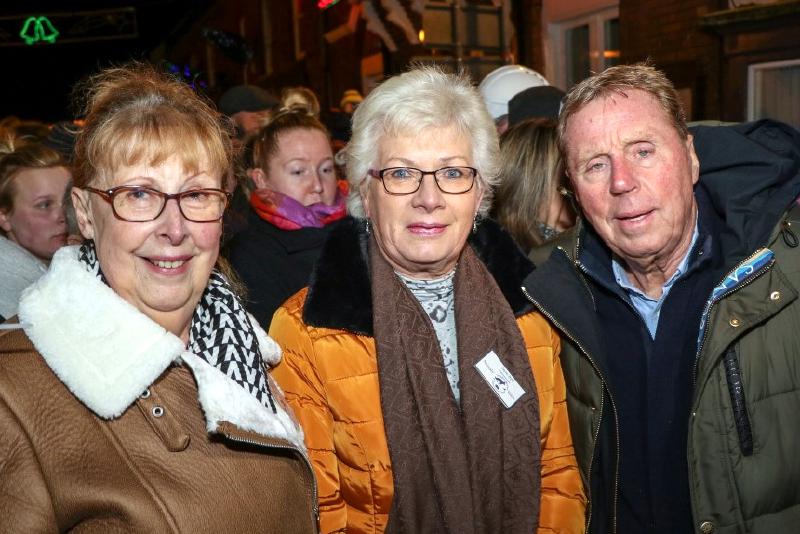
When Harry Redknapp visited Fordingbridge to switch on the Christmas Lights, he found time to met with a few of the Animals’ Voice team including former Chairman, Mrs Patricia Earth (left) and Organising Secretary, Mrs Jayne Bird (centre).

Despite his busy schedule Harry still managed to find time during the evening to find time to meet and chat about our work.

Knowing how busy Harry has been over the past year (and that he supports other charities), when told that we hope to have an open day in the summer, would he come back and officially open it for us, he said yes of course he would which is fantastic news for Animals’ Voice.

Animals’ Voice President Harry Redknapp Visits Our Team as Part of Christmas Celebrations Read More »

Scroll to Top