
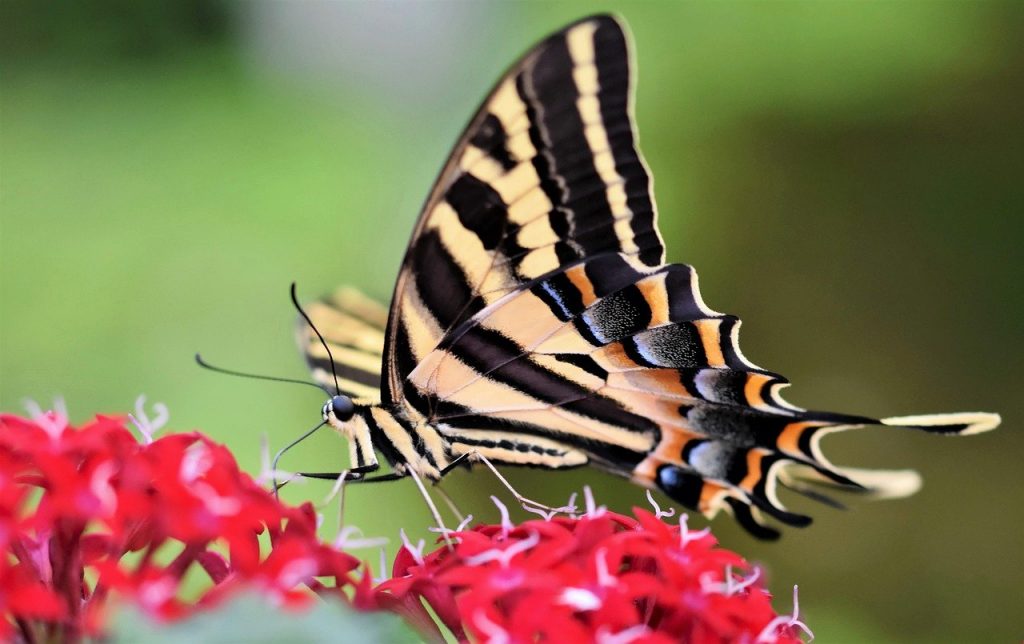
Creating a wildlife friendly garden doesn’t have to be expensive, and can bring a range of beautiful animals into your own backyard. There are more hours of daylight and the weather tends to be warmer. This creates the perfect environment for more wildlife to thrive in the summer months.
Two of the most important elements for a wildlife garden, are food and water.
A simple small bowl, or even a dog bowl will help provide much needed refreshment for bees, butterflies, hedgehogs and even foxes and badgers. Ensure you add a small stone or bit of wood to the bottom, so they can safely get out from the dish.
For many animals, such as bees and butterflies, this can be as simple as flowers for them to pollinate. Planting a range of colourful flowers attracts pollinators to our gardens. By choosing a variety of different plants and foods, wildlife will be provided with options which come into season throughout different points of the year.
A bird feeder is a great way to attract a wild variety of birds into your garden, and can also attract further wildlife. If you can’t find a bird feeder, placing bird food into an old plastic bottle also helps. In the height of summer, in warmer weather and likewise in winter when reserves are important are two good times of the year to put out feed for birds.
By leaving an area of your grass uncut, frogs, hedgehogs and insects can find places to shelter and creates habitats for a range of wildlife. As well as bird seeds, birds will also enjoy eating insects and bugs who live in the longer grass.
A species in decline, the hedgehog is still one of Britain’s more beloved species. As a nocturnal animal, you will rarely see them in the daylight.
Despite their size, they are in fact quite agile and can travel large distances in search of food or a mate.
By providing a small space in your garden, in a hedge or a fence if possible, you can help hedgehogs. This can help them travel through gardens and find much needed food.
Hedges and trees give wildlife a place to nest in, but also importantly shelter to hide from predators and protect them from the British weather.